The story of the Barasti pendant
How a weekend in Ras Al Khaimah, a family of weavers and a lot of palm fronds became our best loved light.
6 October 2026The Ghaf & Grain studio2 min read
Before air conditioning and concrete, many homes along this coast were barasti houses, built from the fronds of the date palm. Air moved through the walls, light came through in small bright points, and the whole house smelled faintly sweet in the heat. We wanted a lamp that felt like that.
A weekend in Ras Al Khaimah
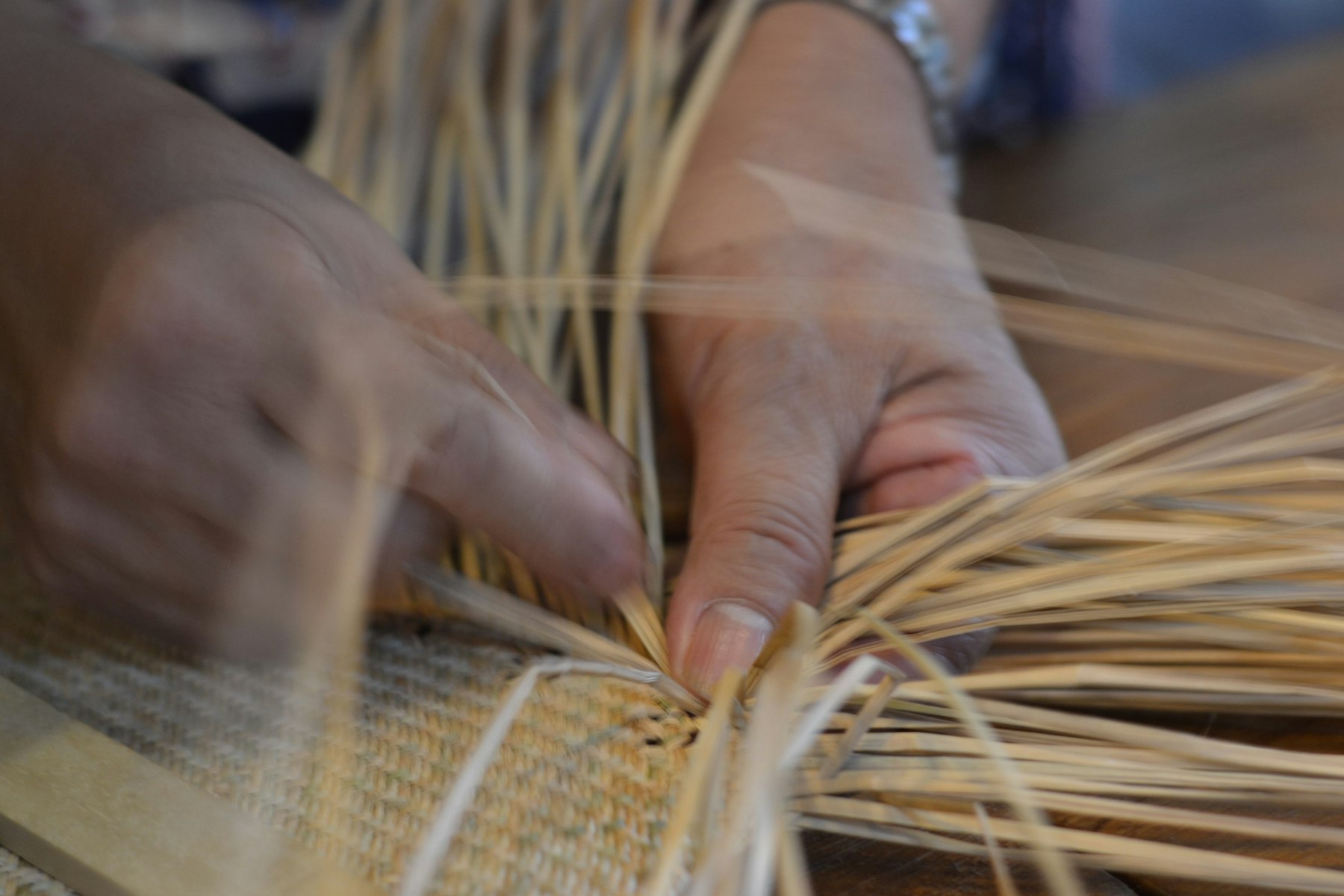
In 2022 we spent a weekend in the villages behind Ras Al Khaimah looking for someone who still wove with palm leaf. We found Umm Saeed and her daughters, who make baskets, mats and food covers the way her mother taught her. We showed them a sketch of a lamp shade. They laughed, then asked how big.
Thirty prototypes
The first shades were beautiful and far too dense: they hid the light rather than letting it through. Over many months, and around thirty prototypes, the weave opened up. The final pattern lets warm light fall across the ceiling in a soft, moving lattice, much like the old houses.
Made slowly, on purpose
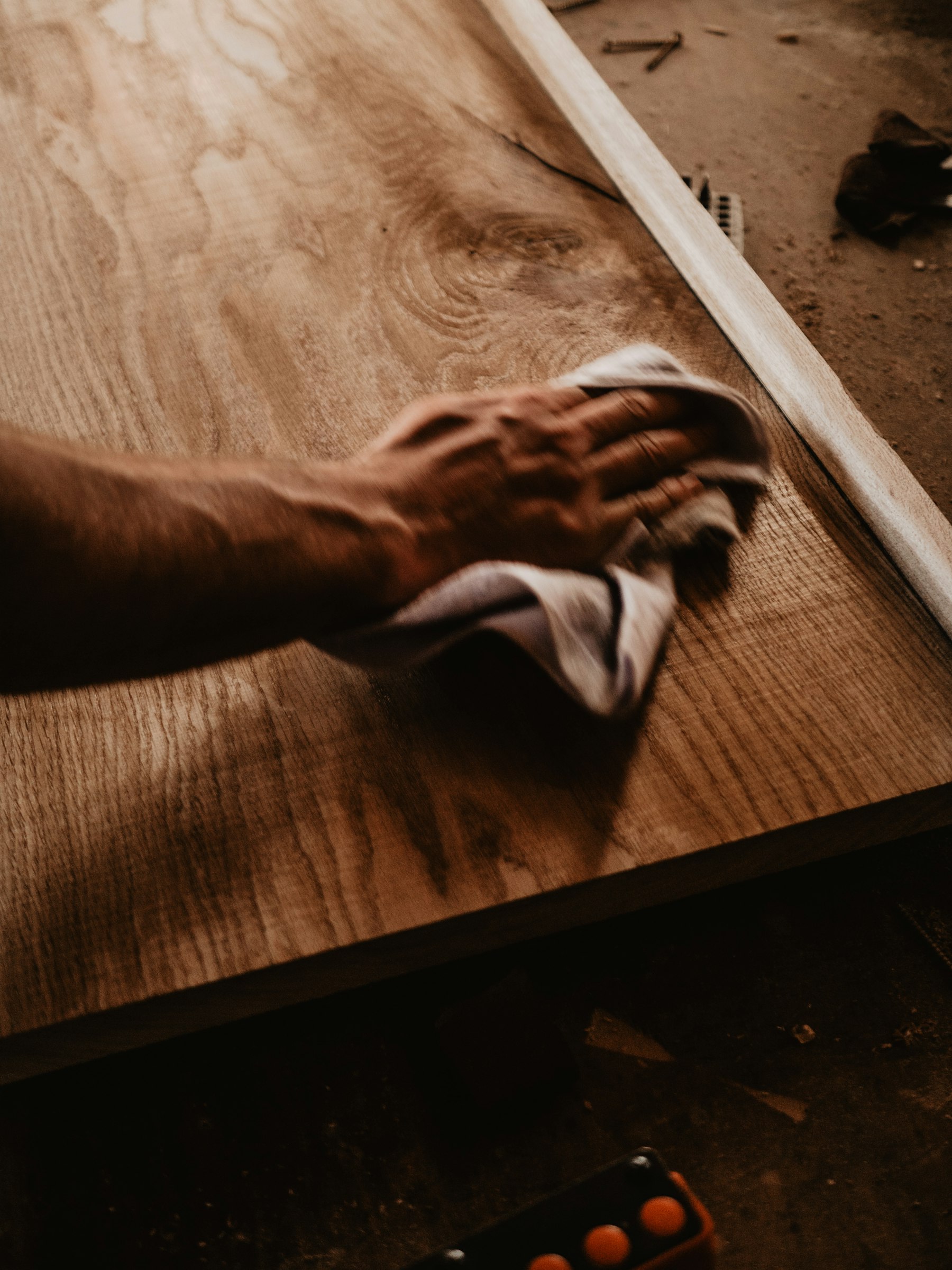
Each Barasti pendant takes about two days to weave. The fronds are harvested after the date season, dried in the shade and softened in water before weaving. No two are exactly the same, and we like it that way.
When you hang one, you are supporting a craft that is becoming rare in the Emirates. Umm Saeed now has four younger weavers working with her. That, more than any sales figure, is what we are proudest of.